
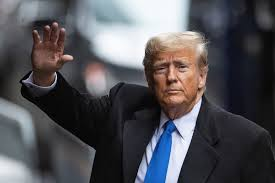
Trump’s Negative Impact on International Master’s Students in the USA
In 2026, Fatima, a postgraduate student from Delhi, was pulled aside for secondary questioning at JFK Airport. Her only offence: she had tweeted support for a political protest back home. Despite holding a valid F-1 visa, her phone was searched, and her university funding documents were scrutinised for over two hours. “I felt more like a suspect than a student,” she later said. “No one prepares you for how political a student visa can become.”

President Trump’s administration introduced a series of aggressive measures affecting student visas. For F‑1 students, proposals to end the “duration of status” (which lets students stay as long as they are enrolled) and tighten Optional Practical Training (OPT) created uncertainty. For example, in 2020 the government announced it would deport students whose courses went fully online; after lawsuits this policy was rescinded, but it helped fuel anxiety.
At the same time, the administration imposed new travel bans (notably an expanded “Muslim ban” and a 2020 order barring many Chinese STEM graduate students), and stepped up visa scrutiny. ICE agents even raided dorms and threatened to deport students protesting on campuses.
On 4 June, a sweeping travel proclamation (Proclamation 10949) was issued, banning non-immigrant entry, including student visas, for citizens of 12 countries and restricting entry from seven more. In mid-May, the administration paused F/M/J visa interviews while introducing enhanced social media screening of applicants, requiring public accounts and scanning posts for their political stance. This targets political speech, especially protests or views on international issues like pro-Palestinian activism, which have already led to deportations and 300 visa revocations.
See more: USA
Work visas were also tightened. In June 2020 Trump suspended entry of new H‑1B and other work-visa holders through the year-end. DHS likewise ended the H‑4 EAD (work permits for spouses of H‑1B holders) and proposed a strict wage rule to select H‑1B beneficiaries, making it harder for foreign graduates to stay. Many Indian H‑1B and F‑1 holders began avoiding travel for fear of re-entry bans.
Immigration lawyers reported “significant increase in questioning” of valid F‑1 and H‑1B visa holders since Trump took office. The administration’s overall “crackdown on higher education”, including delays and denials of visa applications and work authorization, has had a “chilling effect” on new international enrollments.
Post-Graduation Work and OPT Changes in USA
Restrictions on post-Master’s employment have been another Trump-era hallmark. The OPT program that is famous for letting STEM graduates work in the USA for up to 3 years after their degree, was repeatedly targeted causing anxiety of uncertainty in students. Although OPT was never formally thrashed, the administration unit considered strict curbs and the Supreme Court had to uphold it in 2023.
By contrast, in early 2020 Trump extended visa caps and suspended new H‑1Bs (which most STEM graduates need to stay in the US) through the end of 2020. These moves squeezed opportunities: one Indian student on OPT lost his job offer after a minor offense led to visa revocation, despite being later cleared.

Other H‑1B rules changes such as ending the H‑4 spouse work permit also affected families. Immigration counsel noted that many Indian F-1 and H‑1B holders now avoid travel abroad to ensure they can come back, fearful that heightened “security” checks could trap them out of the US. In short, the path from a USA Master’s degree to H‑1B status became more onerous, dampening the post-graduation prospects that attract many international students.
Enrollment Trends and Shifting Destinations in USA
Many observers anticipated a decline in USA Master’s enrollments under Trump. Inside Higher Ed warned that “international students are a financial lifeline for many colleges” and that the Trump administration was “pushing them away”. A recent NAFSA survey indeed found a 13% drop in postgraduate enrollments for the 2025-26 cycle. Common App data also showed the first decline (1%) in international applicants since 2019. However, the picture is mixed: some institutions still report rising applications. Another survey found a majority of USA colleges (53%) saw international apps up year-on-year, with especially strong growth reported from India (up 47%), Ghana (62%), and Bangladesh (40%).
In practice, students have grown wary of USA policies. There is also a funding drop affecting admissions financial aid. A poll found only 48% of Indian students now view the USA positively for study, versus 52% of all international students. The upshot: the USA is losing ground. Education experts note a clear shift of attention toward other “Big Four” destinations.
Even before Trump, Canada and Australia pitched themselves as friendlier alternatives; under Trump this accelerated. For instance, Canada has tightened permit caps and work-permit eligibility, while the UK recently cut its Graduate Route from 2 years to 18 months, yet UK study-visa applications still jumped by 29% in early 2025. A study-group director observed that despite UK cuts, “more students are turning to the UK as a safer, more stable option,” partly because of strict visa rules in Australia, Canada, and the US.
Destinations gaining ground: Over the past two years Canada, the UK and Australia each promoted immigration pathways and post-study work rights. For example, Canada launched new streams for international graduates, and Australia increased visa fees and financial requirements (soft caps) to control growth. Even so, the USA still remains by far the top destination for Indian Master’s students; India now sends the largest cohort of international students to the US, primarily for STEM masters on F‑1 visas. But rising visa uncertainty and a weak dollar mean many are exploring other options or deferring plans.
University and Financial Impact
The decline of international Master’s enrolments has stark financial repercussions. International students often pay full tuition and fund research. When their numbers drop, universities face budget shortfalls. Moody’s and others have warned that colleges heavily dependent on international tuition are now credit-risk. Indeed, some institutions have already begun cutting programs. In the UK, for example, budget pressures from falling tuition (especially family members no longer allowed) have prompted university program closures. USA schools have similarly paused new admits in high-tech grad programs after major research grant cuts including PhD funding.
To adapt, many universities are diversifying recruitment and outreach. Over 80% of USA colleges report funding at least as much for international recruitment as before, targeting countries like India, Vietnam and China. Some offer more scholarships or alumni networks for international students. Others are adjusting curricula (e.g. more hybrid or accelerated programs) to maintain appeal. Nevertheless, the uncertainty weighs on research: recent cuts of NIH and NSF funding, which “are the major draw” for grad students, have left many wondering if they can even afford their degrees.
Student Experience and Campus Climate
Beyond policies and numbers, Trump’s rhetoric and enforcement actions have changed campus life. Many international students report feeling unwelcome. Incidents of harassment have been noted: one Chinese student said he endured “anti-Asian and xenophobic remarks” on campus during the pandemic. As visa revocations rolled out, students described a “palpable fear”. Officials in State College, PA (home to Penn State) observed that students and families felt “not wanted here” after sudden self-deportation orders, creating a “climate of fear”.
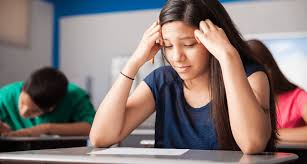
This stress has had real effects on student well-being. Counselors and international offices report rising anxiety and even depression among students worried about their futures. One USA mayor publicly assured students “you are wanted here,” highlighting how visa terminations were deeply “unjust” and against American values. Many students have had to self-censor or avoid campus events to stay under the radar. Others say they remain grateful for support from peers and some faculty. In general, the Trump years have made international students more cautious, uncertain and focused on legal and financial concerns over purely academic life.
Policy Enforcement and Legal Battles
Immigration enforcement took center stage. Agencies like ICE and DHS aggressively pursued students. For example, over 1,000 international students had their visas revoked or status terminated in Spring 2025 according to an AP analysis. DHS even signaled it would deport noncitizens for minor misconduct, and many colleges found that most revoked visas were not tied to any serious wrongdoing. Immigration lawyers note that many charges (like minor traffic offenses) did not warrant deportation, yet the government “has not given the students a chance to respond”.
In response, universities fought back. Harvard and MIT sued to block a 2025 move to strip their ability to sponsor F‑1 and J‑1 students. A judge immediately granted a restraining order, siding with Harvard’s claim that the action would “imperil the futures of thousands of students”. Other institutions joined in or filed suits when ICE rules or the State Department’s new guidelines, such as requiring intense visa scrutiny or cutting off online students, threatened their international community. In many cases, judges have paused or overturned the harshest policies, but only after students and schools faced months of uncertainty.
Meanwhile, regulatory tools like SEVP (Student and Exchange Visitor Program) were used as leverage. The mere threat of decertifying a university’s ability to enroll international students was unprecedented and helped bring campuses into compliance or protests. By 2023-26, this combative stance by the executive branch sent a strong signal: legal battles became part of campus life, as students and schools scrambled for injunctions and legal counsel to protect their status.
Long-Term Effects and Future Outlook inside USA
Trump’s presidency has undeniably altered the image of USA higher education. Many international students now view the USA as a riskier choice, and word-of-mouth stories about visa crackdowns have spread globally. One Indian student said that after two years in the USA he now “fears [he] might be denied entry” even with a valid visa due to the political climate. This marks a shift in USA branding from the post-Cold War era of “brain gain” to a sense of cultural and political risk.
As of Jan 2026, many of Trump’s restrictive visa policies not only persist but have intensified under his current administration. The Optional Practical Training (OPT) programme is now under direct threat, with recent proposals by USCIS nominees calling for its termination, raising deep concerns among STEM graduates relying on post-study work. Fixed-term student visas have also been floated, replacing the long-standing “duration of status” model and adding further uncertainty. While some earlier bans (such as the 2020 H-1B pause) had been lifted during Biden’s term, Trump’s return has reignited volatility in the student visa landscape.
Visa denials are rising, especially for students from certain universities or fields, and administrative delays have compounded since the block in F-1 and J-1 interviews (at Harvard University specifically) in May-June 2025. In this context, international students, particularly from India, are increasingly exploring alternate destinations such as Canada, the UK, and Australia. With global competition intensifying and USA policy increasingly shaped by domestic politics, students are advised to plan cautiously: apply early, track policy shifts, and build contingency routes through scholarships, research ties, or back-up destinations.
Personal Stories and Data
Numbers only tell part of the story. Consider these testimonies and statistics from 2026: An AP review found 1,024 students nationwide had their student status terminated in a matter of weeks. A senior international student who lost her H‑1B sponsorship after a traffic citation lamented, “I took out a massive loan to study in the US… If I lose all of this over a mistake, then what is the point?”. Many Indian students have shared similar fears: one PhD candidate overheard university officials advising students to delete any controversial social media posts, while another stayed home for months, afraid a plane ride might mean the USA won’t let him back in.
Data mirror these fears. Enrollment surveys show Indian applications nearly doubling in 2023, but then stalling as 2024-25 brought crackdowns. International Education experts warn that the fear caused by high-profile cases will have “reverberations across upcoming cohorts of master’s and doctoral students”. These personal narratives of stress, uncertainty and disrupted dreams, underscore the broader trends: students are no longer sure that a USA Master’s guarantees opportunity, and universities are feeling the practical impact of that uncertainty on budgets and diversity.
FAQs:
How did Trump’s policies affect USA student visas?
The Trump administration issued travel bans and tightened visa rules (F‑1, J‑1, H‑1B, etc.). For example, it temporarily barred new H‑1B visas through 2020 and tried to end “duration of status” for F‑1 students. ICE and DHS also revoked or denied more student visas under Trump, leading to thousands of terminations. In short, visa processing became more strict and uncertain.
What happened to H‑1B and OPT programs?
Trump’s team curtailed these too. They ended work permits for H‑4 spouses and aimed to change the H‑1B lottery to favor higher salaries. In 2020 they blocked entry of all new H‑1B and L visas until year-end. The OPT program for recent graduates was threatened (though ultimately preserved) and subjected to more scrutiny. The net effect: many international Master’s grads faced tougher hurdles to find USA work after graduation.
Did international student enrollments fall?
Yes, particularly at the graduate level. After rebounding from COVID, international enrollments were sputtering again by 2025. One estimate saw an 11.3% drop in total international students from March 2024 to March 2025. Surveys found fewer applicants to USA grad programs (Postgrad apps fell 13% in one 2025 study). However, some colleges still reported modest growth from key markets (for instance, applications from India grew ~47% in spring 2024). Overall, though, the message has been one of decline or slower growth, in part due to visa anxieties and competition.
Why are Canada, the UK and Australia attracting more students?
In the Trump era (and beyond), these countries painted themselves as friendlier destinations. Canada and Australia offer clearer post-study work pathways, and until recently had higher visa approval rates. The UK maintained a more welcoming tone (despite cutting its graduate visa to 18 months); indeed UK study-visa applications rose 29% in early 2025. In contrast, the USA under Trump looked “uncertain and combative” to many, so some students now look north or to Europe for stable immigration policies.
How have universities responded to fewer international students?
Many have taken action. Faculties and programs have been trimmed where funding fell, and admissions units are redoubling efforts overseas. The majority of colleges report keeping or raising budgets for international recruitment. Some USA universities expanded language pathways or scholarship offers. Others forged partnerships in new regions (e.g. increased recruiting in Africa and Southeast Asia). Nonetheless, the drop in high-fee master’s students has stressed finances: some schools have even paused or cut master’s programs due to funding gaps.
What was the campus climate like for international students?
According to students and officials, it has been tense. Reports of xenophobic incidents rose, and many students felt unwelcome. Local leaders spoke of a “climate of fear” after visa revocations. On-campus, international student services have seen more demand for counseling and legal help. Some students keep low profiles out of concern, while support groups and advocacy are growing to counter the fear. In sum, many foreign students under Trump experienced increased stress and isolation, even as universities publicly reaffirmed that “you are wanted here”.
Have Trump-era policies been challenged or changed?
Yes. Several high-profile lawsuits overturned Trump’s moves against international students. Universities like Harvard successfully blocked an order that would have barred them from enrolling new F‑1 students. The administration withdrew or lost in court on others (for example, the attempt to force online students out was rescinded after court challenges). Under President Biden, some Trump restrictions were lifted (like travel bans), but the underlying uncertainty remains. Many experts advise students to plan carefully, stay up-to-date on policy news, and have backup options, given how rapidly rules can change.
| Wish to know more about our services? We would love to hear from you. Write to us at info@al-connect.in. |


Add a comment